Veteran Owned · Free Estimates · Serving Tampa Bay
Mold After Water Damage: What Tampa Homeowners Should Know
In Tampa Bay, mold does not wait around. The same warm, damp air that makes our summers feel heavy is exactly what mold needs to take hold inside a wall after a leak. Here is what speeds it up, how to spot the hidden kind, and when it is time to bring in help.
Why Tampa Is Tough on Wet Homes
Mold after water damage is a near constant worry here, and the reason is the climate. Mold needs moisture, a food source, and warmth. The framing, drywall paper, and insulation inside your walls feed it, and Tampa's humidity keeps the moisture around long after the visible water is gone. A leak that would slowly dry out in a drier climate can stay damp in ours for days, which is all the time mold needs to settle in and start spreading.
That is why we tell homeowners that drying a home fast is not a nice to have, it is the whole game. Mold can begin to grow on wet materials within about a day or two. Once it has a foothold inside a wall cavity or under flooring, it keeps going as long as the moisture is there, and you often will not see it until it has spread well beyond the original wet spot.
This guide is about understanding and prevention, not health diagnosis. If anyone in your home is feeling unwell, that is a conversation for a doctor. What we can help with is the building side, finding the moisture, drying it out, and removing mold the right way so it does not come back.
The Mold You Cannot See Is the Real Problem
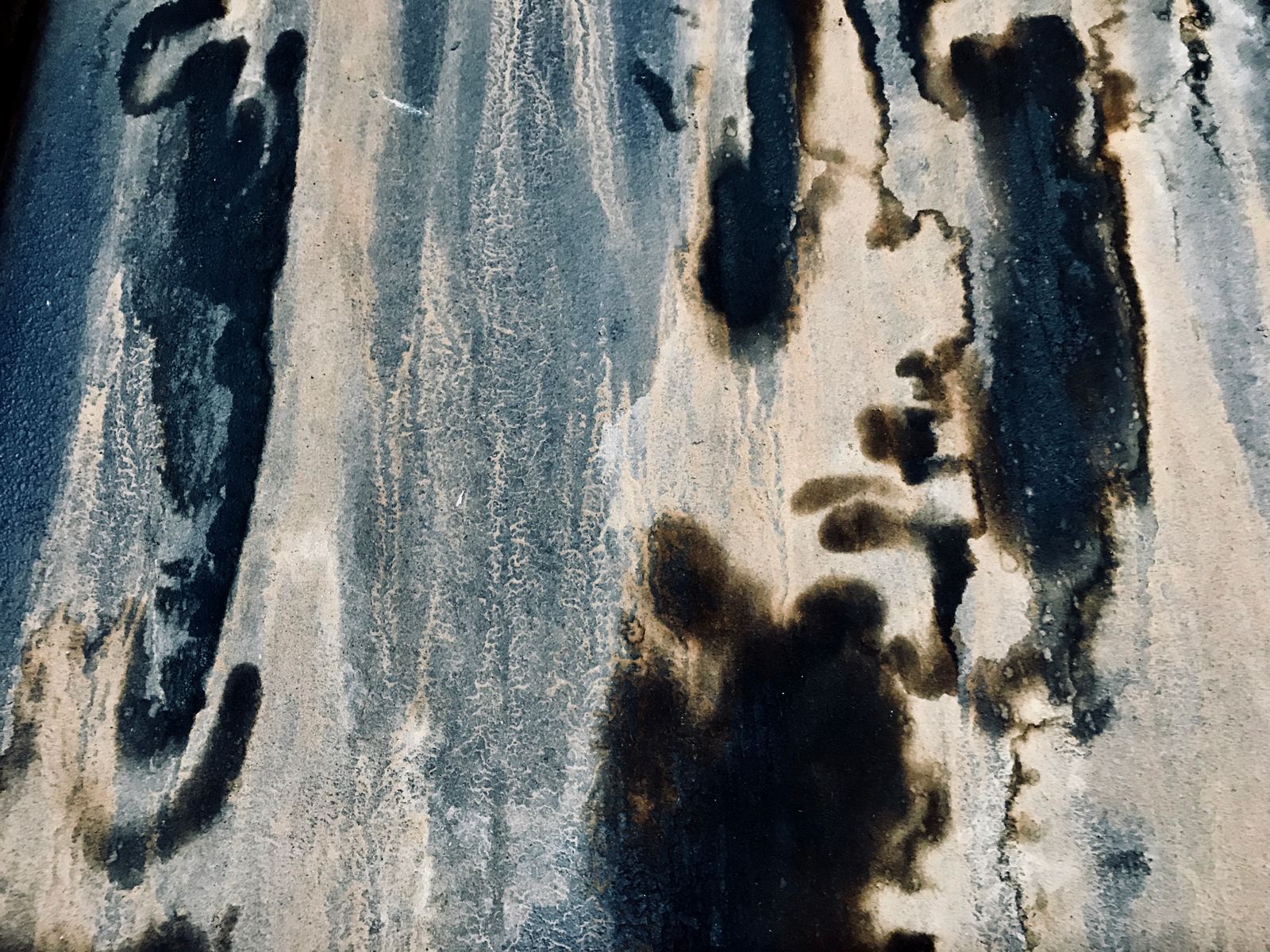
The mold growing where you can see it is usually the smaller issue. The trouble is what is happening behind the drywall, under the laminate, and inside the insulation, where a leak left moisture that never fully dried. By the time a stain bleeds through or a musty smell fills a room, the colony behind the surface is often much larger than the spot you noticed.
Painting over a stain or wiping down a surface does nothing to the source. Until the moisture is gone and the affected materials are dealt with, it comes back every time.
Knowing the Signs and the Next Step
Humidity Is the Accelerator
Our warm, damp air keeps materials wet longer and gives mold the conditions it likes. After any leak, a home that is not dried out quickly with real equipment is a home where mold has an easy start. Pulling moisture down fast is the single best thing you can do to prevent it.
Watch for Hidden Mold
A musty, earthy smell that does not go away, dark spotting on walls or grout, paint that is bubbling or peeling, warped baseboards, or a room that always feels damp are all signs of moisture and possible mold behind the surface. Trust your nose. A musty odor often shows up before any staining does.
Drying Fast Beats Cleaning Up Later
If a wet area is dried thoroughly within the first day or two, you may avoid a mold problem altogether. Once materials have stayed wet, surface cleaning alone will not solve it. Speed on the front end is far cheaper and far less disruptive than remediation after the fact.
When Remediation Is Needed
If mold has spread across a sizable area, gotten into a wall cavity or HVAC system, or keeps returning after cleaning, it is time for professional remediation. That means finding and fixing the moisture source, containing the area, removing the affected materials safely, and rebuilding, not just spraying and hoping.
Ready to Get Started?
Tell us about your project and the Onsite team will walk you through the next steps.
Mold and Water Damage Questions
How quickly can mold grow after water damage? +
What are the signs of hidden mold in my home? +
Why does mold after water damage seem worse in Tampa? +
Can I just clean mold off myself? +
When is professional mold remediation worth it? +
Does fixing the leak also fix the mold? +
Still Have Questions?
Call and talk it through with the Onsite team before you decide.
Serving Homeowners Across Tampa Bay
Onsite builds and rebuilds across the Tampa Bay region and the communities around Hillsborough and Pinellas County.
Our office sits at 1305 N. Armenia Ave., Tampa, FL 33607. Directions from nearby Tampa landmarks: